Kontakt
 Jak kupować
Dostawa
Doradca ds. zakupów
 Angielski
 51 b
51 b
Klienci kupili także


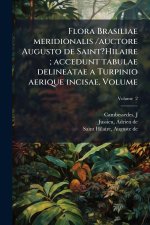




Charles Eastman (1858-1939) straddled two worlds in his life and writing. The author of Indian Boyhood was raised in the traditional Dakota (Sioux) way after the upheaval of the 1862 U.S.-Dakota War. His father later persuaded Ohiyesa to take a white name, study Christianity, and attend medical school. But when Eastman served as a government doctor during the Wounded Knee massacre, he became disillusioned about Americans capacity to live up to their own ideals.While Eastmans contemporaries viewed him as a great American and a true philosopher, Indian scholars have long dismissed Eastmans work as assimilationist. Now, for the first time, his philosophy as manifested in his writing is examined in detail. David Martnez explores Eastmans views on the U.S.-Dakota War, Dakota and Ojibwe relations, Dakota sacred history, and citizenship in the Progressive Era, claiming for him a long overdue place in Americas intellectual pantheon.


Informacje o książce
Angielski
Kategoria

Podaruj tę książkę jeszcze dziś
To łatwe
1 Dodaj książkę do koszyka i wybierz „dostarczyć jako prezent” 2 W odpowiedzi wyślemy Ci bon 3 Książka dotrze na adres obdarowanegoMogłoby Cię także zainteresować
 /
/
 Miękka
 120.47
zł
120.47
zł
 /
/
 Adobe ePub DRM
407.23
zł
Adobe ePub DRM
407.23
zł