Kontakt
 Jak kupować
Dostawa
Doradca ds. zakupów
Don Quixote
 Angielski
 80 b
80 b
Klienci kupili także





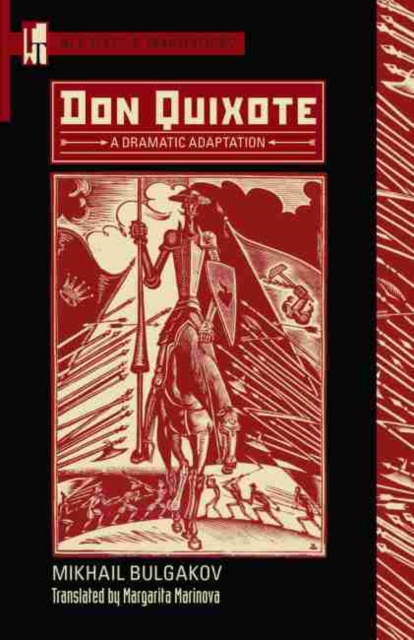
When Soviet censors approved Mikhail Bulgakovs stage adaptation of Don Quixote, they were unaware that they were sanctioning a subtle but powerful criticism of Stalinist rule. The author whose novel The Master and Margarita would eventually bring him world renown achieved this sleight of hand through a deft interpretation of Cervantess knight. Bulgakovs Don Quixote fits comfortably into the nineteenth-century Russian tradition of idealistic, troubled intellectuals, but Quixotes quest becomes an allegory of the artist under the strictures of Stalins regime. Bulgakov did not live to see the play performed: it went into production in 1940, only months after his death.The volumes introduction provides background for Bulgakovs adaptation and compares Bulgakov with Cervantes and the twentieth-century Russian work with the seventeenth-century Spanish work.Mikhail Bulgakov (1891a40) grew up and was educated in Kiev. He practiced medicine but soon turned to journalism and writing. He struggled persistently for artistic freedom but was frustrated by the Soviet censorship. aIn the last seven years,a he wrote to a friend in 1937, aI have created sixteen works in various genres, and they have all been slain.aTranslationThe original Russian text of this work is available in a companion volume.


Informacje o książce
Angielski