
 Kontakt
 Jak kupować
Dostawa
Doradca ds. zakupów
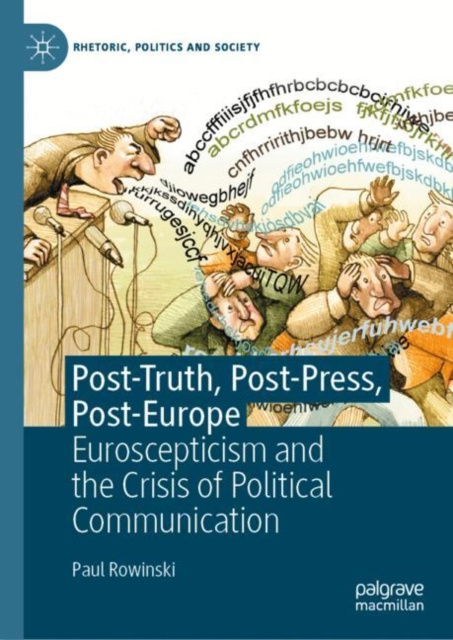
Post-Truth, Post-Press, Post-Europe
Euroscepticism and the Crisis of Political Communication
 Angielski
 356 b
356 b
Klienci kupili także

 /
/
 Miękka
 120.99
zł
120.99
zł






This book explores whether a beleaguered press in recent years has been developing an emotive, Eurosceptic post-truth rhetoric of its own - competing for attention with populist politicians. These politicians now by-pass the media, talking directly to their publics in blogs, on Twitter and Facebook. In the post-truth age, objective facts are less influential in shaping opinion than appeals to emotion. Audiences congregate around views they share and want to believe. The author presents a critical discourse analysis of the language used by populist politicians online, on Facebook, and subsequently quoted in the press, which highlights how the political rhetoric of Italian and British politicians is often at its most inflammatory around the issue of immigration. The same goes for the press. The Italian case study focuses on media coverage of the 2014 and 2019 European elections and 2018 general election. The British case study examines press reporting of the 2016 UK referendum on EU membership, the 2017 general election, and the September 2019 parliamentary debate immediately following the UK Supreme Court ruling that proroguing of Parliament was illegal. From the picture that emerges, the author argues that journalists need to change how they report, to challenge the post-truthers, holding them to account and pressing them on the facts while also harnessing the emotions of disaffected publics.


Informacje o książce
Angielski

Podaruj tę książkę jeszcze dziś
To łatwe
1 Dodaj książkę do koszyka i wybierz „dostarczyć jako prezent” 2 W odpowiedzi wyślemy Ci bon 3 Książka dotrze na adres obdarowanegoMogłoby Cię także zainteresować




Cześć! Jestem Libroamiko, Twój doradca książkowy.
Jak mogę Ci pomóc?