Kontakt
 Jak kupować
Dostawa
Doradca ds. zakupów
 Angielski
 146 b
146 b
Klienci kupili także






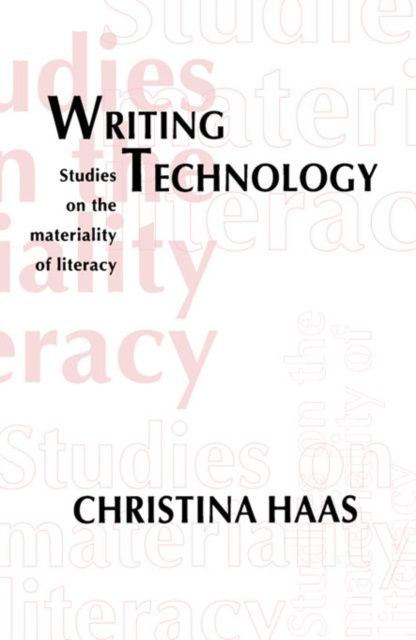
Academic and practitioner journals in fields from electronics to business to language studies, as well as the popular press, have for over a decade been proclaiming the arrival of the "e;computer revolution"e; and making far-reaching claims about the impact of computers on modern western culture. Implicit in many arguments about the revolutionary power of computers is the assumption that communication, language, and words are intimately tied to culture -- that the computer's transformation of communication means a transformation, a revolutionizing, of culture. Moving from a vague sense that writing is profoundly different with different material and technological tools to an understanding of how such tools can and will change writing, writers, written forms, and writing's functions is not a simple matter. Further, the question of whether -- and how -- changes in individual writers' experiences with new technologies translate into large-scale, cultural "e;revolutions"e; remains unresolved. This book is about the relationship of writing to its technologies. It uses history, theory and empirical research to argue that the effects of computer technologies on literacy are complex, always incomplete, and far from unitary -- despite a great deal of popular and even scholarly discourse about the inevitability of the computer revolution. The author argues that just as computers impact on discourse, discourse itself impacts technology and explains how technology is used in educational settings and beyond. The opening chapters argue that the relationship between writing and the material world is both inextricable and profound. Through writing, the physical, time-and-space world of tools and artifacts is joined to the symbolic world of language. The materiality of writing is both the central fact of literacy and its central puzzle -- a puzzle the author calls "e;The Technology Question"e; -- that asks: What does it mean for language to become material? and What is the effect of writing and other material literacy technologies on human thinking and human culture? The author also argues for an interdisciplinary approach to the technology question and lays out some of the tenets and goals of technology studies and its approach to literacy. The central chapters examine the relationship between writing and technology systematically, and take up the challenge of accounting for how writing -- defined as both a cognitive process and a cultural practice -- is tied to the material technologies that support and constrain it. Haas uses a wealth of methodologies including interviews, examination of writers' physical interactions with texts, think-aloud protocols, rhetorical analysis of discourse about technology, quasi-experimental studies of reading and writing, participant-observer studies of technology development, feature analysis of computer systems, and discourse analysis of written artifacts. Taken as a whole, the results of these studies paint a rich picture of material technologies shaping the activity of writing and discourse, in turn, shaping the development and use of technology. The book concludes with a detailed look at the history of literacy technologies and a theoretical exploration of the relationship between material tools and mental activity. The author argues that seeing writing as an embodied practice -- a practice based in culture, in mind, and in body -- can help to answer the "e;technology question."e; Indeed, the notion of embodiment can provide a necessary corrective to accounts of writing that emphasize the cultural at the expense of the cognitive, or that focus on writing as only an act of mind. Questions of technology, always and inescapably return to the material, embodied reality of literate practice. Further, because technologies are at once tools for individual use and culturally-constructed systems, the study of technology can provide a fertile site in which to examine the larger issue of the relationship of culture and cognition.


Informacje o książce
Angielski

Podaruj tę książkę jeszcze dziś
To łatwe
1 Dodaj książkę do koszyka i wybierz „dostarczyć jako prezent” 2 W odpowiedzi wyślemy Ci bon 3 Książka dotrze na adres obdarowanegoMogłoby Cię także zainteresować





 /
/
 Miękka
 88.20
zł
88.20
zł