
 Kontakt
 Jak kupować
Dostawa
Doradca ds. zakupów
 Angielski
 70 b
70 b
 Nowość
najlepszej
ceny ▸
Nawet do 30 dni na zwrot

We abolished aristocracy. We never abolished elites.
Billionaires can influence governments. Politicians can shape the lives of millions. Celebrities can command audiences larger than entire countries. Elite universities reproduce powerful networks, while wealth, attention, credentials, and electoral success determine who rises to the top.
But who prepares these people for the responsibility that comes with influence?
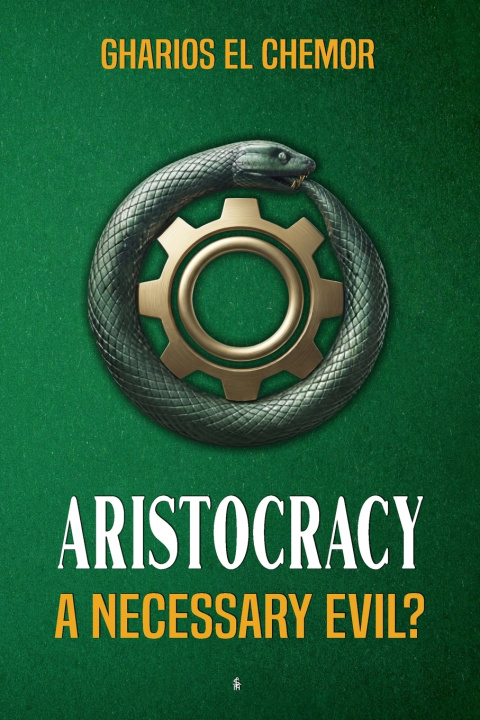
In Aristocracy: A Necessary Evil?, philosopher Gharios El Chemor presents a provocative argument: modern society was right to reject hereditary superiority, legal privilege, and the idea that blood determines human worth. But in dismantling the old aristocratic order, we may also have discarded something worth preserving-the deliberate formation of people expected to carry unusual responsibilities.
This is not a defense of feudalism, inherited political power, or aristocrats standing above the law.
It is an attempt to recover the principle behind noblesse oblige and rebuild it for a modern society.
El Chemor examines how every complex society develops influential elites and asks what should qualify a person for elevated social responsibility. Is wealth enough? Electoral victory? Academic credentials? Celebrity? Family connections? Professional success?
Or should influence be accompanied by something more?
Drawing from political philosophy, history, elite theory, the Triple Accord of Reason, Compassion, and Balance, and Neo-Equilibrium, Aristocracy 2.0 proposes a new model of formative aristocracy based on:
• education and competence
• ethical and intellectual formation
• public service
• honor and personal restraint
• long-term stewardship
• equality before the law
• functional rather than dominating privilege
• accountability and revocability
• open entry rather than hereditary caste
• greater responsibility as privilege increases
Under this model, ancestry may preserve history, but it cannot guarantee authority. Wealth may demonstrate economic success, but it cannot prove character. Elections can provide democratic legitimacy, but they cannot automatically provide wisdom. And no title, fortune, office, or family name can place anyone above the law.
The governing principle is simple:
The greater the privilege, the greater the obligation.
Aristocracy: A Necessary Evil? is ultimately not a book about restoring the past. It is about a problem the modern world has never solved:
If societies will continue producing elites, how should we form the people who become them?
Perhaps the future does need aristocrats.
Just not the old kind.


Informacje o książce
Angielski

Podaruj tę książkę jeszcze dziś
To łatwe
1 Dodaj książkę do koszyka i wybierz „dostarczyć jako prezent” 2 W odpowiedzi wyślemy Ci bon 3 Książka dotrze na adres obdarowanegoCześć! Jestem Libroamiko, Twój doradca książkowy.
Jak mogę Ci pomóc?