Kontakt
 Jak kupować
Dostawa
Doradca ds. zakupów
Becoming a U.S. Citizen through Derivative Citizenship
 Angielski
 83 b
83 b
najlepszej
ceny ▸
Nawet do 30 dni na zwrot
Klienci kupili także



 /
/
 Miękka
 28.38
zł
28.38
zł









 /
Miękka
73.03
zł
/
Miękka
73.03
zł


 /
Miękka
38.77
zł
/
Miękka
38.77
zł


 /
Miękka
112.74
zł
/
Miękka
112.74
zł





 /
Miękka
133.62
zł
/
Miękka
133.62
zł
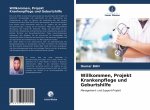


Derivative Citizenship is citizenship automatically or subsequently granted to a child through the naturalization of one or both parents, or, in some cases, through adoption by United States citizen parents, provided certain legal requirements are met. Unlike acquisition of citizenship at birth, derivative citizenship is obtained after birth, typically when the child's parent(s) become naturalized U.S. citizens and the child meets specific eligibility criteria set forth under U.S. immigration law.
To qualify for derivative citizenship, the child generally must:
- Have at least one parent who is a U.S. citizen by birth or naturalization;
- Be under 18 years of age at the time the parent(s) become U.S. citizens;
- Be residing in the United States in the legal and physical custody of the U.S. citizen parent(s); and
- Hold lawful permanent resident (LPR) status before deriving citizenship.
These conditions are primarily governed by Section 320 and Section 322 of the Immigration and Nationality Act (INA). Section 320 covers children residing in the United States with a U.S. citizen parent, while Section 322 applies to children residing outside the United States who may still derive citizenship through their U.S. citizen parent under certain conditions.
For adopted children, additional requirements apply-such as the adoption being legally finalized before the child turns 16 (with some exceptions) and the adoptive parent(s) meeting physical custody and residency requirements. Once all statutory conditions are satisfied, the child automatically becomes a U.S. citizen by operation of law and is entitled to proof of citizenship, such as a Certificate of Citizenship or a U.S. passport.
Derivative citizenship serves to unify families and ensure that children of newly naturalized citizens share the same nationality, rights, and protections under U.S. law, fostering stability and integration into American society.


Informacje o książce
Angielski

Podaruj tę książkę jeszcze dziś
To łatwe
1 Dodaj książkę do koszyka i wybierz „dostarczyć jako prezent” 2 W odpowiedzi wyślemy Ci bon 3 Książka dotrze na adres obdarowanegoMogłoby Cię także zainteresować



 /
Twarda
82.39
zł
/
Twarda
82.39
zł


 /
Miękka
129.30
zł
/
Miękka
129.30
zł
 /
Miękka
33.22
zł
/
Miękka
33.22
zł











 /
Miękka
110.06
zł
/
Miękka
110.06
zł