
 Kontakt
 Jak kupować
Dostawa
Doradca ds. zakupów
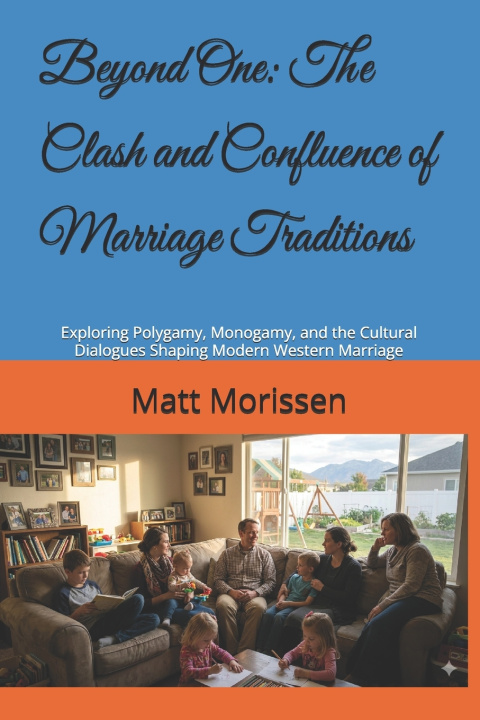
Beyond One
The Clash and Confluence of Marriage Traditions: Exploring Polygamy, Monogamy, and the Cultural Dialogues Shaping Modern Western Marriage
 Angielski
 55 b
55 b
 Zapowiedź
 Nowość
Nawet do 30 dni na zwrot

Beyond One: The Clash and Confluence of Marriage Traditions by Matt Morissen is a comprehensive sociological, anthropological, and historical exploration of how human relationship structures-specifically monogamy and polygamy-coexist, conflict, and shape global cultures. The book challenges the modern Western assumption that monogamy is the universal or natural pinnacle of marital evolution, positioning it instead as one of many highly successful cultural adaptations. The book is organized into a detailed progression of historical and cultural shifts: Prehistoric Beginnings: In hunter-gatherer societies, marriage began not as a romantic ideal but as a fluid, adaptive arrangement for community survival. Early tribal bands used exogamy (marrying outside the group) to prevent inbreeding, secure resource pooling, regulate sexual access, and establish communal frameworks for raising children. The Agrarian Shift and Ancient Civilizations: As humans transitioned to permanent settlements, property accumulation formalized marital arrangements into strategic contracts between families and clans. The book performs a comparative analysis of three major ancient structures: Mesopotamia: Rigidly codified by legal structures like the Code of Hammurabi, where marriage was an economic transaction focused on property rights and securing legitimate male heirs. Ancient Egypt: Characterized by greater gender equity, in which women held unmatched independent property rights, marriages were founded on mutual, companionate respect, and unions carried cosmic, spiritual significance mirrored by the gods Osiris and Isis. Ind Indus Valley: An enigmatic, egalitarian domestic layout focusing heavily on shared spaces and fertility. Socio-Economic Frameworks & Globalization: The book breaks down the pragmatic functions of marriage throughout history, noting that monogamy was often favoured because it simplified patrilineal inheritance and estate succession. Conversely, polygamy served high-status individuals as a powerful tool for geopolitical diplomacy, securing vast cross-tribal alliances and expanding family economic networks. Finally, the book highlights contemporary transnational friction, analyzing how migration and global human rights discourses pressure polygamous families as they move into strictly monogamous Western legal systems.


Informacje o książce
Angielski

Podaruj tę książkę jeszcze dziś
To łatwe
1 Dodaj książkę do koszyka i wybierz „dostarczyć jako prezent” 2 W odpowiedzi wyślemy Ci bon 3 Książka dotrze na adres obdarowanegoCześć! Jestem Libroamiko, Twój doradca książkowy.
Jak mogę Ci pomóc?