
 Kontakt
 Jak kupować

Dostawa
Doradca ds. zakupów
Book of Ecclesiastes
 Angielski
 97 b
Nawet do 30 dni na zwrot
Klienci kupili także












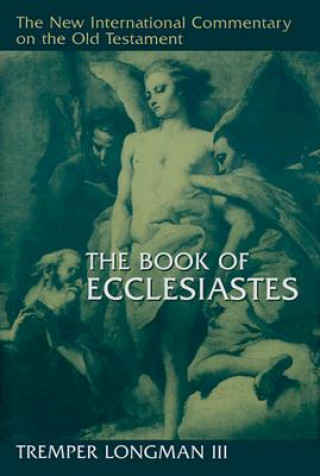
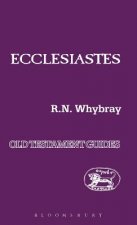
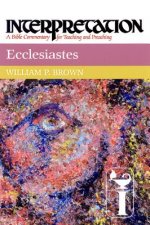
Ecclesiastes is one of the most fascinating -- and hauntingly familiar -- books of the Old Testament. The sentiments of the main speaker of the book, a person given the name Qohelet, sound incredibly modern. Expressing the uncertainty and anxieties of our own age, he is driven by the question, "Where can we find meaning in the world?" But while Qohelet's question resonates with readers today, his answer is shocking. "Meaningless," says Qohelet, "everything is meaningless." How does this pessimistic perspective fit into the rest of biblical revelation? In this commentary Tremper Longman III addresses this question by taking a canonical-Christocentric approach to the meaning of Ecclesiastes. Longman first provides an extensive introduction to Ecclesiastes, exploring such background matters as authorship, language, genre, structure, literary style, and the book's theological message. He argues that the author of Ecclesiastes is not Solomon, as has been traditionally thought, but a writer who adopts a Solomonic persona. In the verse-by-verse commentary that follows, Longman helps clarify the confusing, sometimes contradictory message of Ecclesiastes by showing that the book should be divided into three sections -- a prologue (1:1-11), Qohelet's autobiographical speech (1:12-12:7), and an epilogue (12:8-14) -- and that the frame narrative provided by prologue and epilogue is the key to understanding the message of the book as a whole.


Informacje o książce
Angielski

Podaruj tę książkę jeszcze dziś
To łatwe
1 Dodaj książkę do koszyka i wybierz „dostarczyć jako prezent” 2 W odpowiedzi wyślemy Ci bon 3 Książka dotrze na adres obdarowanegoMogłoby Cię także zainteresować





 /
 Twarda
 151.45
zł






 /
Miękka
87.07
zł






Cześć! Jestem Libroamiko, Twój doradca książkowy.
Jak mogę Ci pomóc?