
 Kontakt
 Jak kupować
Dostawa
Doradca ds. zakupów
Bound to Emancipate
 Angielski
 380 b
380 b
najlepszej
ceny ▸
Nawet do 30 dni na zwrot
Klienci kupili także




 /
/
 Miękka
 128.53
zł
128.53
zł





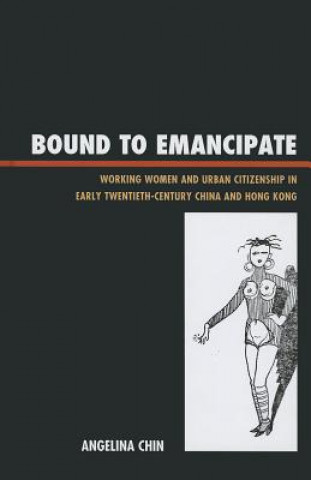
Emancipation, a defining feature of twentieth-century China society, is explored in detail in this compelling study. Angelina Chin expands the definition of women's emancipation by examining what this rhetoric meant to lower-class women, especially those who were engaged in stigmatized sexualized labor who were treated by urban elites as uncivilized, rural, threatening, and immoral. Beginning in the early twentieth century, as a result of growing employment opportunities in the urban areas and the decline of rural industries, large numbers of young single lower-class women from rural south China moved to Guangzhou and Hong Kong, forming a crucial component of the service labor force as shops and restaurants for the new middle class started to develop. Some of these women worked as prostitutes, teahouse waitresses, singers, and bonded household laborers. At the time, the concept of "women's emancipation" was high on the nationalist and modernizing agenda of progressive intellectuals, missionaries, and political activists. The metaphor of freeing an enslaved or bound woman's body was ubiquitous in local discussions and social campaigns in both cities as a way of empowering women to free their bodies and to seek marriage and work opportunities. Nevertheless, the highly visible presence of sexualized lower-class women in the urban space raised disturbing questions in the two modernizing cities about morality and the criteria for urban citizenship. Examining various efforts by the Guangzhou and Hong Kong political participants to regulate women's occupations and public behaviors, Bound to Emancipate shows how the increased visibility of lower-class women and their casual interactions with men in urban South China triggered new concerns about identity, consumption, governance, and mobility in the 1920s and 1930s. Shedding new light on the significance of South China in modern Chinese history, Chin also contributes to our understanding of gender and women's history in China.


Informacje o książce
Angielski
Kategoria

Podaruj tę książkę jeszcze dziś
To łatwe
1 Dodaj książkę do koszyka i wybierz „dostarczyć jako prezent” 2 W odpowiedzi wyślemy Ci bon 3 Książka dotrze na adres obdarowanegoMogłoby Cię także zainteresować

 /
Twarda
150.92
zł
/
Twarda
150.92
zł



 /
Twarda
218.68
zł
/
Twarda
218.68
zł






 /
Miękka
560.57
zł
/
Miękka
560.57
zł



Cześć! Jestem Libroamiko, Twój doradca książkowy.
Jak mogę Ci pomóc?