
 Kontakt
 Jak kupować
Dostawa
Doradca ds. zakupów
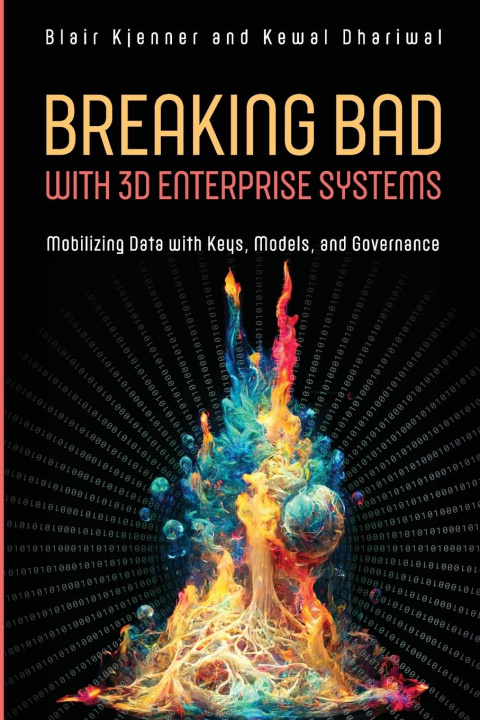
Breaking Bad with 3D Enterprise Systems
 Angielski
 109 b
109 b
najlepszej
ceny ▸
Nawet do 30 dni na zwrot
Klienci kupili także

 /
/
 Miękka
 154.03
zł
154.03
zł




Learn about a new paradigm in enterprise system development that is designed from the ground up to allow systems to easily exchange data.
In the early days of railways, each country decided the width of its railway track. This meant shipping freight across countries required unloading and reloading at each border. Unfortunately, this inefficiency from the lack of standards and principles is exactly where the IT industry is today. IT teams create systems using their own preferences, leading to difficulties moving data between systems, just like the railway system unloading and reloading freight at every border.
The railway system eventually standardized and so can we. In fact, IT is seemingly the only profession that has no principles. Accountants, engineers, and physicians all operate by well-defined principles that have excelled these professions.
We examine how we traditionally create systems and formulate a new approach to enterprise system development that addresses data integration issues and opens up possibilities for aggregating data between systems for Artificial Intelligence (AI) and analytics. The answer is NOT Software as a Service (SaaS), Electronic Data Interchange (EDI), Master Data Management (MDM), or microservices. Instead, five key principles drive this new paradigm to help our profession create enterprise systems that mobilize data securely and effortlessly within an integrated environment.
Technology doesn't drive change-new models of organization, innovative people, and new business ideas drive change. Read this book if you are interested in building a future-oriented business and fostering innovative change to your business information systems.


Informacje o książce
Angielski

Podaruj tę książkę jeszcze dziś
To łatwe
1 Dodaj książkę do koszyka i wybierz „dostarczyć jako prezent” 2 W odpowiedzi wyślemy Ci bon 3 Książka dotrze na adres obdarowanegoMogłoby Cię także zainteresować
 /
Miękka
91.74
zł
/
Miękka
91.74
zł







Cześć! Jestem Libroamiko, Twój doradca książkowy.
Jak mogę Ci pomóc?