
 Kontakt
 Jak kupować
Dostawa
Doradca ds. zakupów
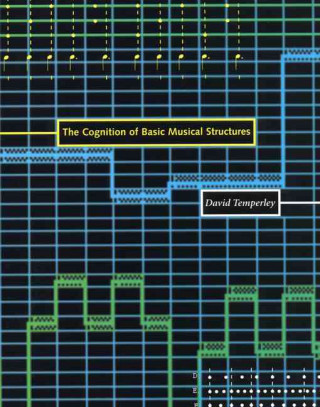
Cognition of Basic Musical Structures
 Angielski
 103 b
103 b
Nawet do 30 dni na zwrot
Klienci kupili także















 /
/
 Miękka
 62.53
zł
62.53
zł


In this book, David Temperley addresses a fundamental question about music cognition: how do we extract basic kinds of musical information, such as meter, phrase structure, counterpoint, pitch spelling, harmony, and key from music as we hear it? Taking a computational approach, Temperley develops models for generating these aspects of musical structure. The models he proposes are based on preference rules, which are criteria for evaluating a possible structural analysis of a piece of music. A preference rule system evaluates many possible interpretations and chooses the one that best satisfies the rules.After an introductory chapter, Temperley presents preference rule systems for generating six basic kinds of musical structure: meter, phrase structure, contrapuntal structure, harmony, and key, as well as pitch spelling (the labeling of pitch events with spellings such as A flat or G sharp). He suggests that preference rule systems not only show how musical structures are inferred, but also shed light on other aspects of music. He substantiates this claim with discussions of musical ambiguity, retrospective revision, expectation, and music outside the Western canon (rock and traditional African music). He proposes a framework for the description of musical styles based on preference rule systems and explores the relevance of preference rule systems to higher-level aspects of music, such as musical schemata, narrative and drama, and musical tension.


Informacje o książce
Angielski

Podaruj tę książkę jeszcze dziś
To łatwe
1 Dodaj książkę do koszyka i wybierz „dostarczyć jako prezent” 2 W odpowiedzi wyślemy Ci bon 3 Książka dotrze na adres obdarowanegoMogłoby Cię także zainteresować














 /
/
 Puzzle
66.63
zł
Puzzle
66.63
zł











Cześć! Jestem Libroamiko, Twój doradca książkowy.
Jak mogę Ci pomóc?