Kontakt
 Jak kupować
Dostawa
Doradca ds. zakupów
 Angielski
 300 b
300 b
najlepszej
ceny ▸
Nawet do 30 dni na zwrot
Klienci kupili także











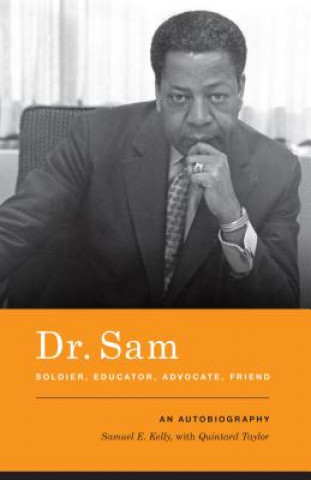
When he was seventeen, Sam Kelly met Paul Robeson, who asked him, "What are you doing for the race?" That question became a challenge to the young Kelly and inspired him to devote his life to helping others. Sam Kelly's story intersects with the major developments in twentieth-century African American history, from the rich culture of the Harlem Renaissance and the integration of the U.S. Army to the civil rights movement and the political turmoil of the 1960s. He tells about his childhood in Greenwich, Connecticut, and his visits to Harlem. He describes his rise from army private to second lieutenant between 1944 and 1945, his bitter encounters with racism while wearing his army uniform in the South, his participation in the U.S. occupation of Japan, and his role in the desegregation of the army in 1948. In his rise to colonel in the U.S. Army, Kelly was a training and operations officer who helped create the post-Korean War rapid-response deployment army that would later fight in Vietnam and Iraq. But it was as an educator that Sam Kelly earned the respect of the Black Panthers who took his African American history courses. In 1970, Sam Kelly became the first vice president for the Office of Minority Affairs and the first major African American administrator at the University of Washington. For six years, he led one of the strongest programs in the nation dedicated to the integration of students of colour into a major university. At the age of sixty-five, Dr. Sam began a new career as a teacher and administrator at an alternative high school in Portland, Oregon. Along with personal accomplishments, the book also shares the difficulties in the story of Dr. Sam's life from the birth of his special needs son, Billy, the unsuccessful struggle of his wife, Joyce, against breast cancer, and the challenge of creating an interracial family. Before he died in 2009, he was proud to witness the election of Barack Obama as the first African American president, a fulfilment of his lifelong dream that the nation would recognize the rights and dignity of all citizens. Quintard Taylor is the Scott and Dorothy Bullitt Professor of American History at the University of Washington. He is the author of a number of books including The Forging of a Black Community: Seattle's Central District from 1870 through the Civil Rights Era.


Informacje o książce
Angielski
Kategoria

Podaruj tę książkę jeszcze dziś
To łatwe
1 Dodaj książkę do koszyka i wybierz „dostarczyć jako prezent” 2 W odpowiedzi wyślemy Ci bon 3 Książka dotrze na adres obdarowanegoMogłoby Cię także zainteresować

 /
/
 Miękka
 100.39
zł
100.39
zł


 /
Twarda
105.74
zł
/
Twarda
105.74
zł
 /
Miękka
224.46
zł
/
Miękka
224.46
zł