
 Kontakt
 Jak kupować
Dostawa
Doradca ds. zakupów
 Angielski
 105 b
105 b
najlepszej
ceny ▸
Nawet do 30 dni na zwrot
Klienci kupili także













 /
/
 Miękka
 123.10
zł
123.10
zł





 /
Miękka
70.10
zł
/
Miękka
70.10
zł








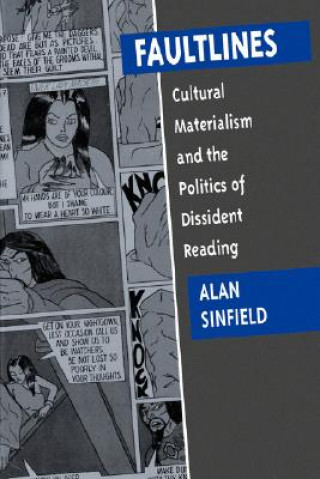
If we come to consciousness within a language that is complicit with the social order, how can we conceive, let alone organize, resistance to that social order? This key question in the politics of reading and subcultural practice informs Alan Sinfield's book on writing in early-modern England. New historicism has often shown people trapped in a web of language and culture. In lively discussions of writings by Shakespeare, Marlowe, Sidney, and Donne, Sinfield reassesses the scope of dissidence and control. The early-modern state, Christianity, and the cultural apparatus, despite an ideology of unity and explicit violence, could not but allow space to challenging voices. Sinfield shows that disruptions in concepts of hierarchy, nationality, gender, and sexuality force their way into literary texts. Sinfield is often provocative. He 'rewrites' Julius Caesar to produce a different politics, compares Sidney's idea of poetry to Leonid Brezhnev's, and reinstates the concept of character in the face of post-structuralist theory. He keeps the current politics of literary study in view, especially in a substantial chapter on Shakespeare in the U.S. Sinfield subjects interactions between class, ethnicity, sexuality, and the professional structures of the humanities to a detailed and hard-hitting critique, and argues for new commitments to collectivities and subcultures.


Informacje o książce
Angielski

Podaruj tę książkę jeszcze dziś
To łatwe
1 Dodaj książkę do koszyka i wybierz „dostarczyć jako prezent” 2 W odpowiedzi wyślemy Ci bon 3 Książka dotrze na adres obdarowanegoMogłoby Cię także zainteresować
 /
Twarda
1 406.87
zł
/
Twarda
1 406.87
zł



 /
Miękka
61.90
zł
/
Miękka
61.90
zł
 /
Miękka
136.83
zł
/
Miękka
136.83
zł
 /
Miękka
167.48
zł
/
Miękka
167.48
zł






 /
Miękka
37.61
zł
/
Miękka
37.61
zł



 /
Miękka
132.53
zł
/
Miękka
132.53
zł





Cześć! Jestem Libroamiko, Twój doradca książkowy.
Jak mogę Ci pomóc?