
 Kontakt
 Jak kupować
Dostawa
Doradca ds. zakupów
Functional Materials Processing for Switchable Device Modulation
 Angielski
 619 b
619 b
najlepszej
ceny ▸
Nawet do 30 dni na zwrot
Klienci kupili także












 /
/
 Miękka
 34.91
zł
34.91
zł









 /
Twarda
216.39
zł
/
Twarda
216.39
zł



 /
Miękka
115.23
zł
/
Miękka
115.23
zł









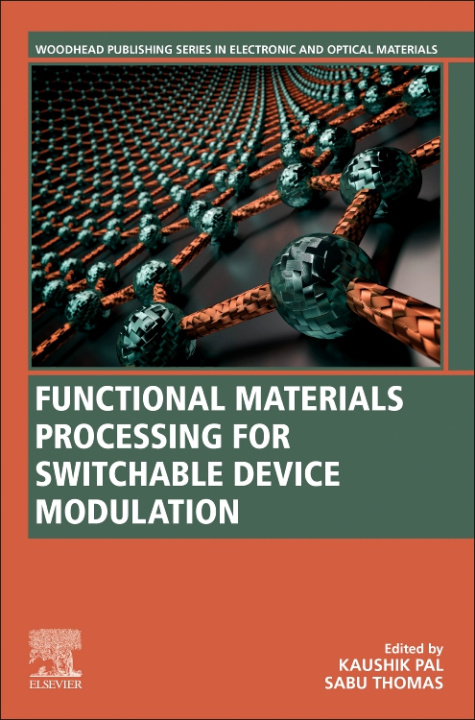
Functional Materials Processing for Switchable Device Modulation is focused on the advances of nanofabrication that will underpin many emerging technologies such as switchable electronic devices. This powerful approach is used to generate molecular structures that are capable of assembling into functional nanoscale architectures in which the most far-reaching electronic switching applications might become reality. Molecular modification can be used to control nanoscale assembly, a process that can be used to induce specific material functions that are critical for advances in electronics. This is a multi-disciplinary area where advances in the understanding of supramolecular chemistry, materials science, and biomedicine are critical to realize new material applications. Functional Materials Processing for Switchable Device Modulation provides readers with a broad view of the materials’ perspectives of this topic. Historical context and background is addressed in each chapter along with future opportunities of smart electronic and switchable devices. A major focus in the book is on the research and development of synthetic materials for spectroscopic analysis which broadly deals with science and technology of materials on the atomic and molecular scale. The book reviews the materials and advances in research for switchable electronics for bioelectronic, sensing and optoelectronic applications. Key challenges and emerging opportunities in innovations in surface modification and novel functional materials device implementation for industrial scale reproducibility are discussed. The book covers the applications and market potential for a variety of media, including mirrors, glazing/coatings, and display products. The physics, electrochemistry, device design, and materials are detailed and performance is compared between the most relevant and emerging switchable technologies. Addresses the most interesting advances in switchable devices for bioelectronics, electronics, optoelectronics, and sensing applicationsIncludes special emphasis on materials design, processing and fabrication of switchable devices to realize large-scale industry applicationsCompares the performance of existing innovative switchable devices and reviews the remaining barriers to commercialization and opportunities to address these challenges


Informacje o książce
Angielski

Podaruj tę książkę jeszcze dziś
To łatwe
1 Dodaj książkę do koszyka i wybierz „dostarczyć jako prezent” 2 W odpowiedzi wyślemy Ci bon 3 Książka dotrze na adres obdarowanegoMogłoby Cię także zainteresować












 /
Miękka
115.43
zł
/
Miękka
115.43
zł
 /
Twarda
1 416.94
zł
/
Twarda
1 416.94
zł
 /
Miękka
96.23
zł
/
Miękka
96.23
zł




 /
Miękka
29.26
zł
/
Miękka
29.26
zł





Cześć! Jestem Libroamiko, Twój doradca książkowy.
Jak mogę Ci pomóc?