
 Kontakt
 Jak kupować

Dostawa
Doradca ds. zakupów
 Angielski
 37 b
 Nowość
najlepszej
ceny ▸
Nawet do 30 dni na zwrot

Most conversations about AI governance are written from Brussels, Washington, or Beijing. This book is written from somewhere closer to the ground.
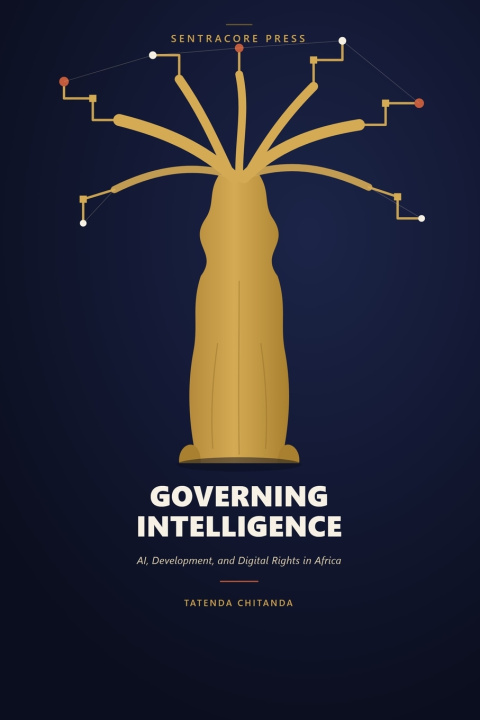
Governing Intelligence makes the case that AI governance across Africa cannot simply be imported. Drawing on a decade inside South African construction and years building AI governance systems for small firms, Tatenda Chitanda argues for a different order: understand the institution before the technology, build the foundation before the structure.
Across fourteen chapters, the book is honest about what AI is actually good for on this continent, and where the promise outruns the infrastructure: forecasting, not automation, in agriculture; triage support, not diagnostic authority, in health; teacher support, not replacement, in education; transparency as a design choice, not an afterthought, in public services. It follows the risks the same technology carries when governance lags behind capability, including the data sovereignty question, algorithmic bias, and the dual use problem that makes a security tool exactly as useful to an attacker as to a defender. And it sets out a tested, practical sequencing model for how SMEs and governments actually adopt AI safely, including a working readiness checklist you can use directly.
The book closes by returning to African values, Ubuntu and collective accountability, not as a decorative preamble but as a governance logic already present in the choices the earlier chapters made.
This is a practitioner's synthesis, not a policy paper: honest about what works, what does not yet, and what is still only a proposal.
What's inside:
- What AI is actually good for across agriculture, health, education and public services, measured against real infrastructure
- A tested sequencing model for how SMEs and governments adopt AI safely, with a working checklist
- Data sovereignty, algorithmic bias and the dual use problem, examined through African institutional reality
- A closing argument for governance built on reciprocity and collective accountability, not imported wholesale


Informacje o książce
Angielski

Podaruj tę książkę jeszcze dziś
To łatwe
1 Dodaj książkę do koszyka i wybierz „dostarczyć jako prezent” 2 W odpowiedzi wyślemy Ci bon 3 Książka dotrze na adres obdarowanegoCześć! Jestem Libroamiko, Twój doradca książkowy.
Jak mogę Ci pomóc?