
 Kontakt
 Jak kupować
Dostawa
Doradca ds. zakupów
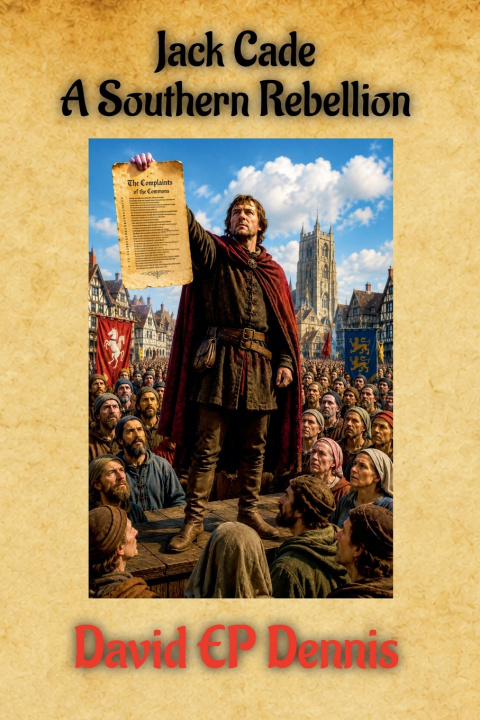
Jack Cade - A Southern Rebellion
 Angielski
 56 b
56 b
 Zapowiedź
 Nowość
Nawet do 30 dni na zwrot

Jack Cade has not been treated kindly by history.
Remembered as a violent rebel, a criminal adventurer and, through Shakespeare, almost a figure of ridicule, Cade has become detached from the remarkable political movement that brought thousands of people onto the roads of southern England in 1450.
But what if the traditional picture is wrong?
Jack Cade - A Southern Rebellion returns to the surviving evidence to reconsider both the man and the rebellion. It explores a society transformed by the Black Death, the Peasants' Revolt, changing patterns of labour and literacy, religious dissent, the loss of England's territories in France, and growing anger at corruption and misgovernment under Henry VI.
At the centre of the story are the rebels' own complaints. They did not demand the destruction of monarchy or the abolition of government. They demanded justice, lawful administration, honest officials and political accountability. Their grievances raise a larger question: what is government for, whom should it serve, and what may people legitimately do when those entrusted with authority abuse that trust?
Nor was this simply a Kentish rising. From Kent and London to Sussex and the later disturbances associated with William Merfold, the evidence reveals a wider southern crisis whose consequences continued long after Cade was dead. The rebellion was suppressed, but the failures of government against which it protested remained. Within a few years England's aristocracy was itself resorting to armed resistance as the country moved towards the Wars of the Roses.
The questions raised in 1450 extend far beyond medieval England. Philosophers and political thinkers have long wrestled with the problem of resistance to unjust authority. From classical and medieval discussions of tyranny and the common good to the later arguments of John Locke, political philosophy has repeatedly asked whether resistance can become justified when government persistently fails in its obligations to the governed.
This book does not romanticise political violence or attempt to transform Cade into a modern democrat. The rising had its victims. Yet governments too possess the power to employ violence, coercion and injustice. History should not automatically legitimise one because it represents established authority while condemning the other simply because it resists.
Cade therefore deserves reconsideration. His movement advanced recognisable demands for social and political reform: competent government, justice before the law, restraint upon corrupt officials and accountability among those exercising power. Whatever judgement we make about the methods employed in 1450, these aspirations should not be dismissed as criminal or irrational. They were potentially constructive demands for a fairer society.
Drawing upon chronicles, government records, pardons, parliamentary material and modern scholarship, David EP Dennis re-examines the accusations against Cade and challenges traditions that have hardened into accepted history.
This is not an attempt to manufacture a hero. It is an invitation to reconsider a man and a movement too often judged by their enemies and remembered through Shakespeare.
When government ceases to answer the legitimate grievances of the governed, at what point does resistance itself become legitimate?


Informacje o książce
Angielski
