
 Kontakt
 Jak kupować

Dostawa
Doradca ds. zakupów
Jan Brueghel and the Senses of Scale
 Angielski
 304 b
najlepszej
ceny ▸
Nawet do 30 dni na zwrot
Klienci kupili także



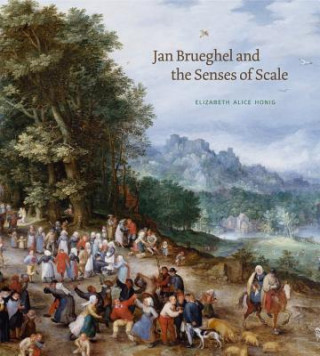
Unlike the work of his contemporaries Rubens and Caravaggio, who painted on a grand scale, seventeenth-century Flemish painter Jan Brueghel's tiny, detail-filled paintings took their place not in galleries but among touchable objects. This first book-length study of his work investigates how educated beholders valued the experience of refined, miniaturized artworks in Baroque Europe, and how, conversely, Brueghel's distinctive aesthetic set a standardżand a techniqueżfor the production of inexpensive popular images.It has been easy for art historians to overlook the work of Jan Brueghel, Pieter's son. Yet the very qualities of smallness and intimacy that have marginalized him among historians made the younger Brueghel a central figure in the seventeenth-century art world. Elizabeth Honig's thoughtful exploration reveals how his worksżwhich were portable, mobile, and intimateżquestioned conceptions of distance, dimension, and style. Honig proposes an alternate form of visuality that allows us to reevaluate how pictures were experienced in seventeenth-century Europe, how they functioned, and how and what they communicated.A monumental examination of an extraordinary artist, Jan Brueghel and the Senses of Scale reconsiders Brueghel's paintings and restores them to their rightful place in history.


Informacje o książce
Angielski

Podaruj tę książkę jeszcze dziś
To łatwe
1 Dodaj książkę do koszyka i wybierz „dostarczyć jako prezent” 2 W odpowiedzi wyślemy Ci bon 3 Książka dotrze na adres obdarowanegoMogłoby Cię także zainteresować

 /
 Twarda
 513.72
zł


 /
Twarda
677.37
zł








 /
Miękka
42.54
zł



Cześć! Jestem Libroamiko, Twój doradca książkowy.
Jak mogę Ci pomóc?