
 Kontakt
 Jak kupować
Dostawa
Doradca ds. zakupów
 Angielski
 141 b
141 b
najlepszej
ceny ▸
Nawet do 30 dni na zwrot
Klienci kupili także




 binding.
 136.32
zł
136.32
zł





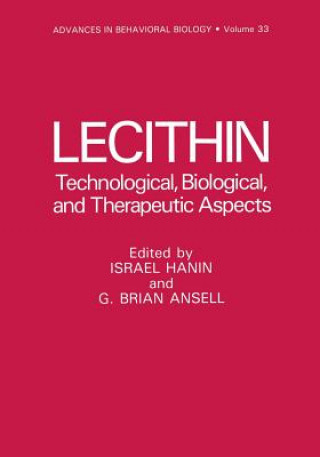
Recently, there has been tremendous scientific interest in the role of phospholipids and particularly phosphatidylcholine (lecithin) in a variety of biological processes. These include the involvement of phosphatidylcholine in biological membranes, as a component of plasma lipoprotein, as a transporter of choline in the body, and also as a "reserve", and possibly only source of unesterified choline. Moreover, numerous clinical studies have recently been conducted, to evaluate the possible uses of externally supplied lecithin in the treatment of some intractible neuropsychiatric disorders (e.g. tardive dyski.nesia, Alzheimer's disease, etc.) and other conditions (e.g. hypercholesteremia). Results to date are encouraging, yet equivocal. This is due, in part, to the fact that the field of phospholipid methodology is highly complex. There is much confusion in the literature, and many ambiguities still remain in the interpretation of experimental findings. This is particularly so for phenomena involving phospholipid function in the central nervous system. This book incorporates the proceedings of the Fourth International Colloquium on Lecithin, which took place in Chicago, Illinois, USA, on September 15-17, 1986. The purpese of this colloquium was to review, in a comprehensive manner, basic principles as weli as current information about the technology, biochemistry, physiology and therapeutic potential of lecithin. Over 108 individuals from all over the world participated in the sessions. The meeting was subdivided into oral presentations and panel discussions (see Table of Contents). It was sponsored and financed by the Lucas Meyer GmbH (Hamburg), for which the editors are most grateful.


Informacje o książce
Angielski

Podaruj tę książkę jeszcze dziś
To łatwe
1 Dodaj książkę do koszyka i wybierz „dostarczyć jako prezent” 2 W odpowiedzi wyślemy Ci bon 3 Książka dotrze na adres obdarowanegoMogłoby Cię także zainteresować






 /
Miękka
83.22
zł
/
Miękka
83.22
zł
 /
Miękka
62.62
zł
/
Miękka
62.62
zł

 /
Miękka
206.64
zł
/
Miękka
206.64
zł
 /
Miękka
67.64
zł
/
Miękka
67.64
zł
Cześć! Jestem Libroamiko, Twój doradca książkowy.
Jak mogę Ci pomóc?