
 Kontakt
 Jak kupować

Dostawa
Doradca ds. zakupów
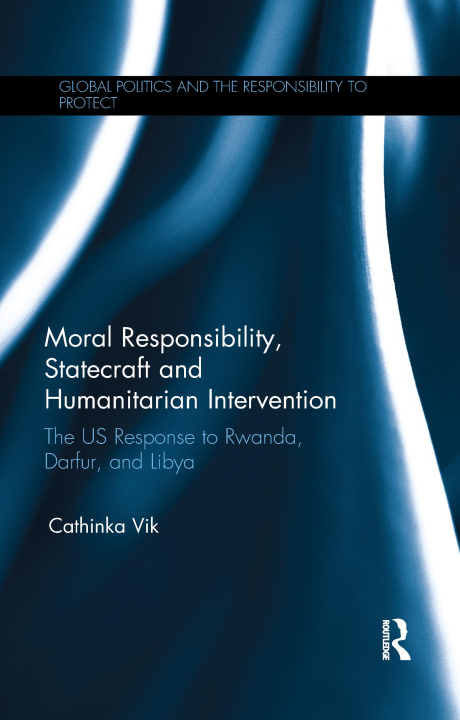
Moral Responsibility, Statecraft and Humanitarian Intervention
The US Response to Rwanda, Darfur, and Libya
 Angielski
 166 b
najlepszej
ceny ▸
Nawet do 30 dni na zwrot
Klienci kupili także











 /
 Miękka
 130.58
zł







 /
Miękka
74.07
zł


 /
Miękka
115.44
zł





This book explores the moral complexity of statecraft in the context of decision-making on armed intervention in the post-Cold War era.
This book adds to the debate on humanitarian intervention by analyzing the moral complexity of statecraft when confronted with situations of severe human rights violations. Through a comparative case study of President Bill Clinton administration’s failure to intervene in the Rwanda genocide (1994), the George W. Bush administration’s tepid response to the Darfur atrocities (2003-07), and the Barack Obama administration’s leadership behind the limited U.N. intervention in Libya (2011), it explores the factors – domestic and international – that influence decision-making about humanitarian intervention. These cases show, not only how international moral concerns often compete with interest-based and domestic concerns, but how decision-makers are often confronted by competing moral imperatives. In such situations, it is often not clear which imperatives should be followed. In an increasingly interconnected world, this book examines how we expect state leaders to balance different moral responsibilities.
This book will be of much interest to students of humanitarian intervention, the Responsibility to Protect, human rights, US foreign policy, African politics and IR in general.


Informacje o książce
Angielski

Podaruj tę książkę jeszcze dziś
To łatwe
1 Dodaj książkę do koszyka i wybierz „dostarczyć jako prezent” 2 W odpowiedzi wyślemy Ci bon 3 Książka dotrze na adres obdarowanegoMogłoby Cię także zainteresować
 /
Twarda
730.86
zł














 /
Miękka
86.68
zł









Cześć! Jestem Libroamiko, Twój doradca książkowy.
Jak mogę Ci pomóc?