
 Kontakt
 Jak kupować
Dostawa
Doradca ds. zakupów
Oil Rig and Superbarge Floating Settlements
 Angielski
 268 b
268 b
Nawet do 30 dni na zwrot
Klienci kupili także



















 /
/
 Miękka
 207.90
zł
207.90
zł


 /
Miękka
36.33
zł
/
Miękka
36.33
zł









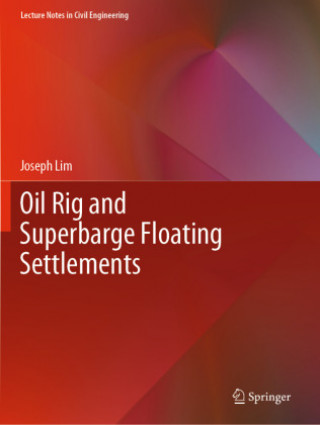
This book presents a collection of proposed offshore and nearshore settlements in response to the emerging consequences of climate change. These settlements are counterpoints to megacities with unsustainable ecological footprints. The continuing depletion of natural resources has resulted in displaced communities, prompting the following research questions: What if we floated on sea instead of inefficiently consuming land? Could we use wave energy instead of nuclear energy? How can we replenish food supply and regenerate marine eco-diversity? How would our lives be shaped by new offshore settlements? What would we use as structures for shelter, farming, scaffolding and recreation? Floating cities emerged in the 1960s with Buckminster Fuller's Triton City and Kenzo Tange's Tokyo Bay Plan, and current manifestations include Vincent Callebaut's Lilypad, the Seasteading Institute and the mile-long Freedom Ship housing 50,000 people. As an alternative to these examples, the book proposes the repurposing of three types of marine vessel: jack-up platforms, semi-submersibles and superbarges as sustainable, habitable structures to accommodate 20% of the projected 8.1 billion global population in 2025. The spatially conceived floating settlements include food and energy supplies for housing, recreation, education at sea, post-disaster health care and resettlement for nearshore deployment.


Informacje o książce
Angielski
Kategoria

Podaruj tę książkę jeszcze dziś
To łatwe
1 Dodaj książkę do koszyka i wybierz „dostarczyć jako prezent” 2 W odpowiedzi wyślemy Ci bon 3 Książka dotrze na adres obdarowanegoMogłoby Cię także zainteresować


 /
Miękka
156.05
zł
/
Miękka
156.05
zł






 /
Miękka
62.86
zł
/
Miękka
62.86
zł





Cześć! Jestem Libroamiko, Twój doradca książkowy.
Jak mogę Ci pomóc?