
 Kontakt
 Jak kupować
Dostawa
Doradca ds. zakupów
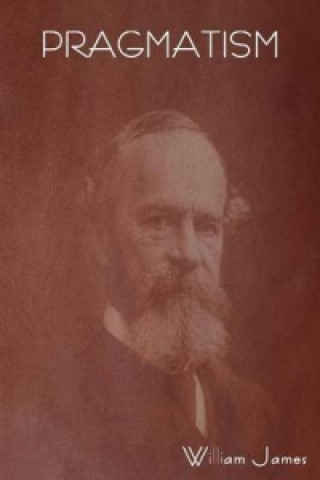
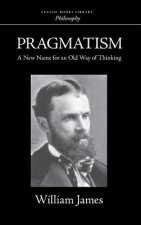
Pragmatism
 Angielski
 38 b
38 b
30 dni na zwrot towaru
Klienci kupili także









 /
/
 Miękka
 230.03
zł
230.03
zł







 /
Miękka
91.75
zł
/
Miękka
91.75
zł

 /
Miękka
159.94
zł
/
Miękka
159.94
zł

 /
Miękka
158.53
zł
/
Miękka
158.53
zł




 /
Miękka
65.77
zł
/
Miękka
65.77
zł
 /
Miękka
68.58
zł
/
Miękka
68.58
zł




William James explains the pragmatic method and its consequences, advocating its usefulness in understanding what we take to be true belief. Pragmatism holds that to have a belief is to have certain rules for action. Any and every notion has its own set of practical consequences. The meaning of a thought is said to be whatever course of action necessarily follow from it. In metaphysical disputes between false and true notions, the dispute must be settled by considering the practical consequences of the two notions. Any two notions that can be shown to have identical practical consequences are shown to be identical notions. Writes James, "Whenever a dispute is serious, we ought to be able to show some practical difference that must follow from one side or the other's being right."
To have a clear and complete conception of an object is equivalent to considering the practical, empirical effects and properties of the object, and the conduct it will produce. James credits Charles Peirce for introducing this way of thinking about belief. James writes that it was Peirce's notion that "To attain perfect clearness in our thoughts of an object, then, we need only consider what conceivable effects of a practical kind the object may involve- what sensations we are to expect from it, and what reactions we must prepare," and that further, "to develop a thought's meaning, we need only determine what conduct it is fitted to produce: that conduct is for us its sole significance."


Informacje o książce
Angielski
Kategoria

Podaruj tę książkę jeszcze dziś
To łatwe
1 Dodaj książkę do koszyka i wybierz „dostarczyć jako prezent” 2 W odpowiedzi wyślemy Ci bon 3 Książka dotrze na adres obdarowanegoMogłoby Cię także zainteresować












 /
Twarda
1 165.24
zł
/
Twarda
1 165.24
zł
 /
Miękka
43.71
zł
/
Miękka
43.71
zł





Cześć! Jestem Libroamiko, Twój doradca książkowy.
Jak mogę Ci pomóc?