
 Kontakt
 Jak kupować
Dostawa
Doradca ds. zakupów
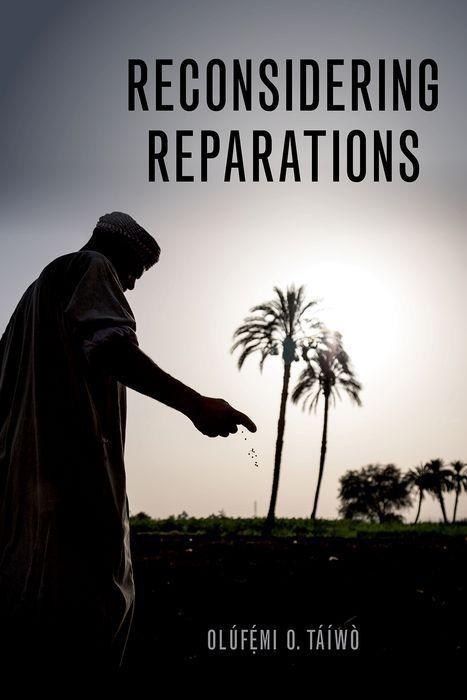
Reconsidering Reparations
 Angielski
 112 b
112 b
najlepszej
ceny ▸
Nawet do 30 dni na zwrot
Klienci kupili także










Reparations for slavery have become a reinvigorated topic for public debate over the last decade. Most theorizing about reparations treats it as a social justice project - either rooted in reconciliatory justice focused on making amends in the present; or, they focus on the past, emphasizing restitution for historical wrongs. Olúfemi O. Táíwò argues that neither approach is optimal, and advances a different case for reparations - one rooted in a hopeful future that tackles the issue of climate change head on, with distributive justice at its core. This view, which he calls the "constructive" view of reparations, argues that reparations should be seen as a future-oriented project engaged in building a better social order; and that the costs of building a more equitable world should be distributed more to those who have inherited the moral liabilities of past injustices. This approach to reparations, as Táíwò shows, has deep and surprising roots in the thought of Black political thinkers such as James Baldwin, Martin Luther King Jr, and Nkechi Taifa, as well as mainstream political philosophers like John Rawls, Charles Mills, and Elizabeth Anderson. Táíwò's project has wide implications for our views of justice, racism, the legacy of colonialism, and climate change policy.


Informacje o książce
Angielski

Podaruj tę książkę jeszcze dziś
To łatwe
1 Dodaj książkę do koszyka i wybierz „dostarczyć jako prezent” 2 W odpowiedzi wyślemy Ci bon 3 Książka dotrze na adres obdarowanegoMogłoby Cię także zainteresować





 /
/
 Twarda
 100.41
zł
100.41
zł

 /
Miękka
68.62
zł
/
Miękka
68.62
zł
 /
Miękka
40.94
zł
/
Miękka
40.94
zł





Cześć! Jestem Libroamiko, Twój doradca książkowy.
Jak mogę Ci pomóc?