
 Kontakt
 Jak kupować
Dostawa
Doradca ds. zakupów
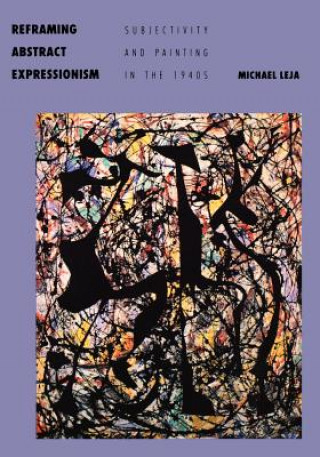
Reframing Abstract Expressionism
 Angielski
 143 b
143 b
30 dni na zwrot towaru
Klienci kupili także

 /
/
 Miękka
 46.46
zł
46.46
zł
















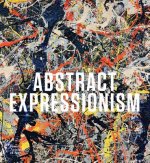
In the wake of World War II, the paintings of Jackson Pollock, Mark Rothko, Barnett Newman, Willem de Kooning, and other New York School artists participated in a culture-wide initiative to reimagine the self. At a time when widely held beliefs about human nature and the human condition were coming to seem to many commentators increasingly outdated and inadequate, Abstract Expressionism gave compelling visual form to a new subjectivity-a new experience and idea of self. In this original and wide-ranging study, Michael Leja argues that the interest of these artists in tapping "primitive" and unconscious components of self aligns them with many contemporary essayists, Hollywood filmmakers, journalists, and popular philosophers who were turning, like the artists, to psychology, anthropology, and philosophy in the effort to reformulate individual identity. Taking Pollock's paintings and their reception as a case study, Leja shows that critics located in Pollock's abstract forms a web of metaphors-including spatial entrapment, conflicted production, energy flow, gendered opposition, and unconsciousness-that situated the paintings in mainstream cultural discourses on the individual's sense of self and identity. In this interpretative frame, the cultural and ideological character of the art is illuminated. According to Leja, Abstract Expressionism effectively enacted and represented the new, conflicted, layered subjectivity, a feature that helps to account for the support and interest it garnered from cultural and political institutions alike.


Informacje o książce
Angielski

Podaruj tę książkę jeszcze dziś
To łatwe
1 Dodaj książkę do koszyka i wybierz „dostarczyć jako prezent” 2 W odpowiedzi wyślemy Ci bon 3 Książka dotrze na adres obdarowanegoMogłoby Cię także zainteresować


 /
Miękka
52.68
zł
/
Miękka
52.68
zł
 /
Miękka
66.94
zł
/
Miękka
66.94
zł









 /
Miękka
136.09
zł
/
Miękka
136.09
zł


Cześć! Jestem Libroamiko, Twój doradca książkowy.
Jak mogę Ci pomóc?