
 Kontakt
 Jak kupować

Dostawa
Doradca ds. zakupów
 Angielski
 96 b
Nawet do 30 dni na zwrot
Klienci kupili także






 /
 Adobe ePub DRM
 327.67
zł














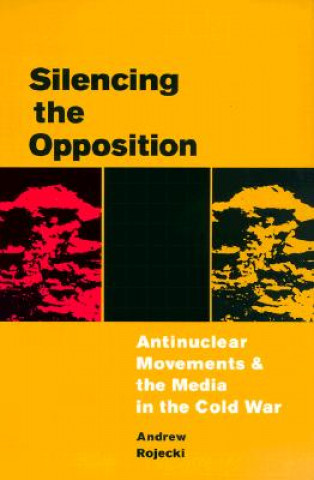
Some of the most important strategic decisions of our times can be traced to compelling official fictions such as Kennedy's "missile gap" and Reagan's "window of vulnerability". Exploring links between nuclear arms policy and the visibility of oppositional groups in the media, Andrew Rojecki assesses the extent to which antinuclear movements have succeeded in debunking official fictions, raising public consciousness, and reorienting government policy. "Silencing the Opposition" examines how two cycles of political protest - the test ban movement of the first Eisenhower and the Kennedy administrations and the nuclear freeze movement of Reagan's first term - were represented by the media. He finds that the space devoted to the opposition as well as the quality of the coverage varied widely from the first to the second period, reflecting vastly different climates of public opinion and foreign policy. Rojecki determines that a subtle shift in political culture has reduced the grounds of legitimacy for citizen protest. This shift finds its roots in the rationalization of policy making that characterizes large government agencies, think tanks, and university departments. As public debate over nuclear politics has become increasingly restricted, the potential for ordinary citizens to influence policy has become more and more circumscribed while nuclear weapons have continued to proliferate.


Informacje o książce
Angielski

Podaruj tę książkę jeszcze dziś
To łatwe
1 Dodaj książkę do koszyka i wybierz „dostarczyć jako prezent” 2 W odpowiedzi wyślemy Ci bon 3 Książka dotrze na adres obdarowanegoMogłoby Cię także zainteresować
 /
 Miękka
58.10
zł
 /
Miękka
187.09
zł

 /
Miękka
38.50
zł
 /
Miękka
211.22
zł




 /
 Karty
65.34
zł
 /
Miękka
127.78
zł
 /
Miękka
106.46
zł




 /
Miękka
26.07
zł



Cześć! Jestem Libroamiko, Twój doradca książkowy.
Jak mogę Ci pomóc?