
 Kontakt
 Jak kupować
Dostawa
Doradca ds. zakupów
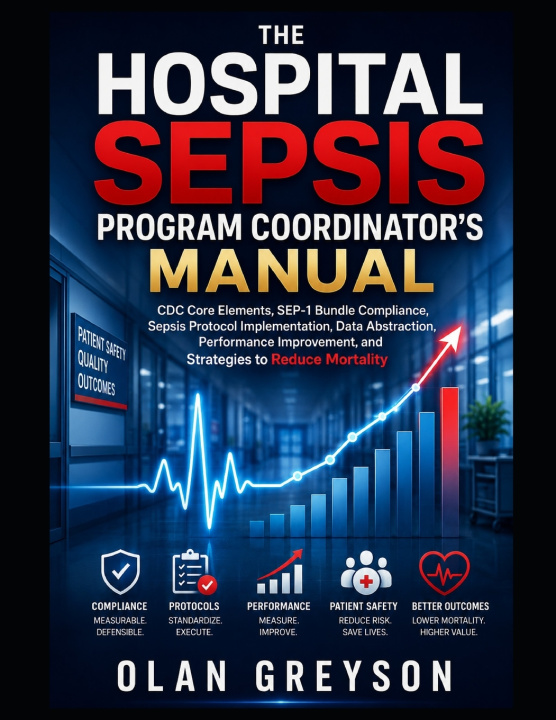
The Hospital Sepsis Program Coordinator's Manual
CDC Core Elements, SEP-1 Bundle Compliance, Code Sepsis Protocols, Chart Abstraction, and Running a Program That Moves Mortality
 Angielski
 Nowość

A Sepsis Program Coordinator Manual Built for Real Hospital Work
Sepsis program coordinator manual, hospital sepsis program guide, and SEP-1 bundle compliance support should do more than explain policy. It should help you run the program when the committee is late, the data is disputed, and the bundle fails at time-zero.
When the Program Is Yours, the Gaps Become Yours Too
You may already know the clinical science. The harder problem is the operating system around it. Who owns the Code Sepsis protocol? Who settles abstraction disputes? How do you get physicians to act on their own scorecards? How do you brief leadership without drowning them in measure language? If those answers live in scattered emails, old slides, or one experienced person's memory, the program is exposed.
Turn Sepsis Policy Into a Repeatable Coordinator Workflow
This manual was written for the person who has to make the sepsis program work across the emergency department, medical-surgical units, ICU, pharmacy, lab, informatics, quality, and medical staff leadership. It breaks the role into repeatable work: governance, protocol design, abstraction, EHR alert review, mortality review, physician adoption, CMS reporting, and annual program review.
What You Can Put to Work Immediately
- A full CDC Core Elements operating framework for hospital sepsis programs
- SEP-1 time-zero, lactate, culture, antibiotic, fluid, and reassessment workflows
- Code Sepsis activation criteria, team roles, and location-specific response design
- Chart abstraction methods, QA checks, sampling logic, and concordance review
- EHR sepsis alert tuning, post-alert workflows, and governance reporting
- Mortality review structure, root-cause categories, and action-item tracking
- Physician scorecards, committee agendas, escalation steps, and leadership briefings
- Completed templates for charters, scorecards, abstraction forms, M&M summaries, and HVBP briefings
Built Around the Work Hospitals Actually Assign
The book follows the coordinator's real sequence of decisions: define the role, build the committee, design the protocol, manage SEP-1 operations, create reliable abstraction, govern alerts, review deaths, move physician behavior, report to CMS, and keep the program alive over time. Each chapter answers one practical question: what do you do next?
For Coordinators Who Do Not Have Months to Piece This Together
Maybe you are new to the role. Maybe your program exists on paper but not in practice. Maybe your data is late, your committee has low attendance, or your alerts fire too often. The manual is detailed enough for a standing start, but direct enough for a working coordinator who needs answers between meetings.
Know What to Check Before You Commit
Use the sample pages to confirm the fit. Look for the SOP format, completed templates, scorecard logic, abstraction language, and committee workflows. In one sitting, you should be able to identify a program gap and choose the next action. It is a working desk reference, not a theory book. It is a working desk reference, not a theory book. It is a working desk reference, not a theory book. It is a working desk reference, not a theory book. It is a working desk reference, not a theory book. It gives you language for meetings, data reviews, and escalation. It gives you language for meetings, data reviews, and escalation. It gives you language for meetings, data reviews, and escalation. It gives you language for meetings, data reviews, and escalation. It turns recurring program problems into trackable steps.
Start Building a Program That Can Survive Audit, Turnover, and Pressure
Buy the manual today and start replacing scattered sepsis work with a system your hospital can actually run.


Informacje o książce
Angielski
