
 Kontakt
 Jak kupować
Dostawa
Doradca ds. zakupów
The Parasite-Cancer Connection
 Angielski
 91 b
91 b
 Nowość
najlepszej
ceny ▸
Nawet do 30 dni na zwrot

What if some of the most overlooked clues in cancer, chronic illness, and unexplained health problems have been hiding in plain sight?
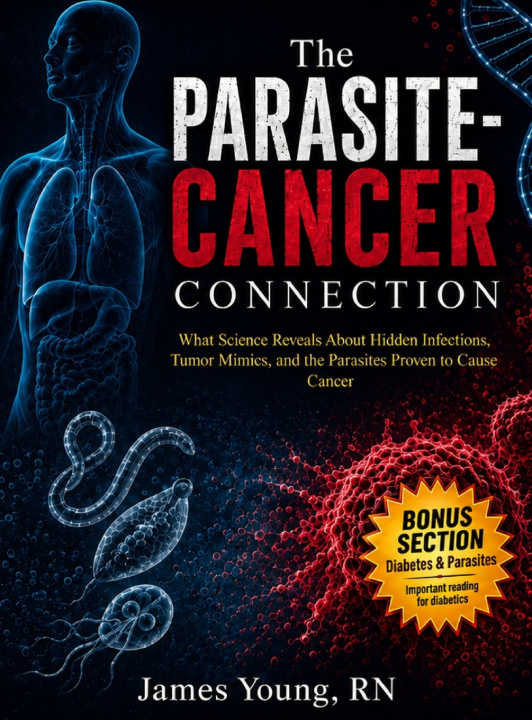
The Parasite-Cancer Connection: What Science Reveals About Hidden Infections, Tumor Mimics, and the Parasites Proven to Cause Cancer is a research-based health investigation by James Young, RN, written for readers who want to understand the documented relationship between parasites, hidden infections, chronic inflammation, cancer risk, tumor-like masses, and conditions that may be missed or misunderstood in conventional testing.
This book does not ask readers to blindly accept fear-based claims. Instead, it takes a careful look at scientific studies, case reports, diagnostic challenges, and medically recognized parasite-cancer links. Certain parasites have been classified as cancer-related infectious agents, including parasites associated with bladder cancer, bile duct cancer, liver cancer risk, chronic inflammation, and long-term tissue damage. This book explores those connections in plain language so patients, caregivers, survivors, and health-conscious readers can better understand what the research actually says.
Inside this book, readers will learn about parasites that have been linked to cancer, infections that can mimic tumors on imaging, hidden parasitic infections that may be difficult to detect, and the role chronic inflammation may play in cellular damage and disease progression. It also examines how parasites, bacteria, fungi, viruses, immune dysfunction, environmental exposures, and metabolic stress may interact in complex ways that deserve more attention.
For people facing cancer, caring for someone with cancer, or trying to understand unexplained symptoms, this book is designed to help readers ask better questions. It encourages patients to become informed, review their medical history, discuss travel and exposure risks, understand the limits of parasite testing, and speak with qualified healthcare professionals before making major treatment decisions.
The book also includes a bonus discussion on diabetes and parasites, exploring research involving parasitic infections, inflammation, blood sugar problems, insulin resistance, immune response, and metabolic health. While diabetes is a complex condition with many causes, this section encourages readers to think more deeply about chronic infection, inflammation, and the body's overall internal environment.
The Parasite-Cancer Connection is especially helpful for readers interested in cancer research, parasite infections, infectious causes of disease, tumor mimics, misdiagnosis, functional medicine, integrative health, chronic illness, immune health, inflammatory disease, cancer prevention research, diabetes education, public health, and patient advocacy.
Written by a registered nurse with decades of experience in healthcare, emergency medicine, patient observation, and investigative research, this book brings together medical literature and real-world patient concerns in a way that is clear, direct, and accessible. It is intended for educational purposes and does not replace medical advice, diagnosis, or treatment from a licensed healthcare provider.
If you or someone you love has cancer, diabetes, unexplained symptoms, chronic inflammation, abnormal scans, unusual masses, digestive problems, immune dysfunction, or a history of possible parasite exposure, this book may help you look at the bigger picture and prepare more informed questions for your healthcare team.
Discover what science reveals about parasites, hidden infections, cancer risk, tumor mimics, diagnostic limitations, diabetes connections, and the importance of asking deeper questions before accepting incomplete answers.
The Parasite-Cancer Connection is a powerful educational resource for patients, caregivers, health researchers, nurses, medical professionals, and anyone seeking a deeper understanding of how


Informacje o książce
Angielski
