
 Kontakt
 Jak kupować
Dostawa
Doradca ds. zakupów
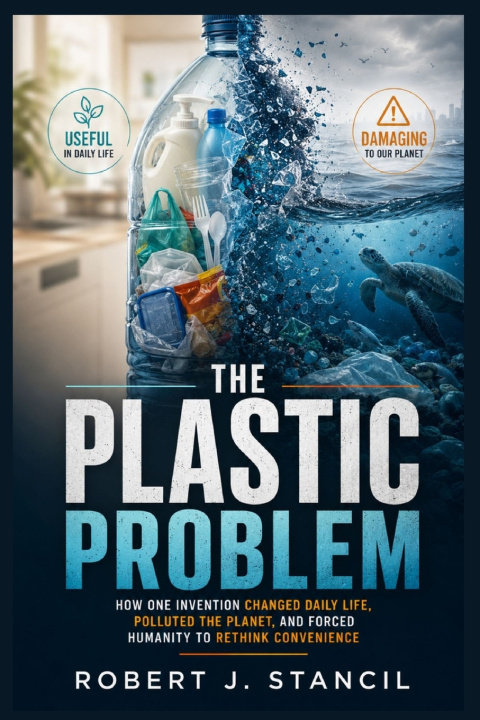
The Plastic Problem
How One Invention Changed Daily Life, Polluted the Planet, and Forced Humanity to Rethink Convenience
 Angielski
 45 b
45 b
 Zapowiedź
 Nowość
Nawet do 30 dni na zwrot

Plastic made modern life easier, cheaper, cleaner, and more convenient. It protects food, supports hospitals, carries water, stores products, and appears in almost every home. But the same material that helped shape daily life has also created one of the greatest environmental problems of our time.
The Plastic Problem: How One Invention Changed Daily Life, Polluted the Planet, and Forced Humanity to Rethink Convenience is a clear and powerful plastic pollution book for readers who want to understand how plastic became so common, why it is now difficult to control, and what ordinary people, families, businesses, schools, and governments can do about it.
This book explains the hidden story behind the plastic waste crisis in simple language. It shows how the plastic problem book topic is not only about dirty beaches or overflowing bins. It is also about food packaging, shopping habits, bottled water, fast food, weak waste systems, poor recycling, and the everyday choices that have made disposable plastic feel normal.
Inside this book, readers will discover how single-use plastic became part of modern life and why items used for only a few minutes can remain in the environment for years. The book also explains the growing concern around microplastics, including where tiny plastic particles come from, how they spread through water, soil, dust, and food, and why microplastics and health have become an important public concern.
This is not a book written to create fear or blame. It is written to help readers think clearly. Plastic is not always the enemy. Some plastic is useful and even necessary, especially in medicine, food safety, transport, and technology. The real problem is wasteful plastic, careless design, weak collection systems, and a culture that treats useful materials as trash.
Readers interested in plastic and human health will find careful explanations without panic or exaggeration. Readers who care about ocean plastic pollution will understand how plastic moves from streets to drains, from rivers to seas, and from coastlines into marine life. Readers searching for a practical environmental pollution book will see how plastic waste connects to homes, communities, businesses, public health, and nature.
The book also takes a closer look at recycling and waste management, showing why recycling matters but cannot solve the crisis alone. It explains plastic recycling problems, downcycling, contamination, poor sorting, and why many plastic items never become new products. It also simply introduces circular economy book ideas, showing how products can be designed for reuse, refill, repair, and better recovery instead of quick disposal.
For readers who want practical change, this book includes simple ideas to reduce plastic waste at home. It explores plastic pollution solutions such as reusable bags, safer water choices, better shopping habits, correct waste sorting, refill systems, and avoiding the harmful burning of plastic. It also supports readers interested in plastic-free living, plastic-free home habits, low waste living, and a realistic zero waste lifestyle without making change feel impossible.
This book is also useful for people interested in sustainable living topics, eco-friendly home ideas, and a practical sustainable home guide. It does not demand perfection. Instead, it encourages steady progress, wiser choices, and shared responsibility.


Informacje o książce
Angielski

Podaruj tę książkę jeszcze dziś
To łatwe
1 Dodaj książkę do koszyka i wybierz „dostarczyć jako prezent” 2 W odpowiedzi wyślemy Ci bon 3 Książka dotrze na adres obdarowanegoCześć! Jestem Libroamiko, Twój doradca książkowy.
Jak mogę Ci pomóc?