
 Kontakt
 Jak kupować
Dostawa
Doradca ds. zakupów
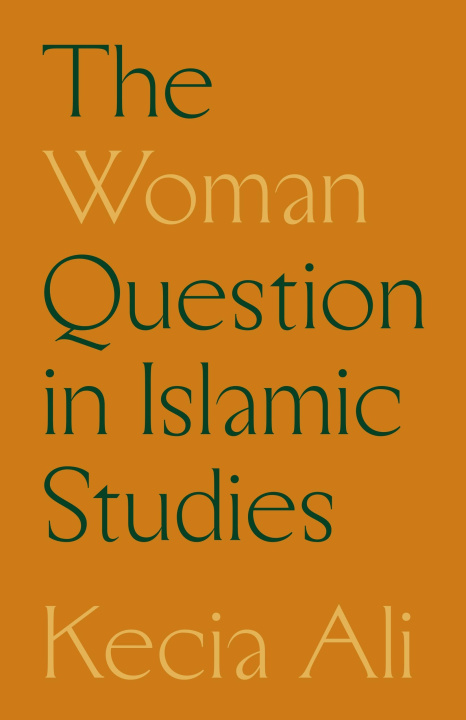
The Woman Question in Islamic Studies
 Angielski
 67 b
67 b
najlepszej
ceny ▸
Nawet do 30 dni na zwrot
Klienci kupili także






 /
/
 Miękka
 24.32
zł
24.32
zł




 /
Miękka
128.28
zł
/
Miękka
128.28
zł







 /
Miękka
99.32
zł
/
Miękka
99.32
zł



The interconnected ways that sexism functions in academic Islamic studies and how to shift professional norms toward parity
Despite remarkable shifts in the demographics of Islamic studies in recent decades, the field continues to be dominated by men, who often relegate other scholars and their work—particularly research on gender—to its periphery, while treating subfields in which men predominate as more rigorous and central. In The Woman Question in Islamic Studies, Kecia Ali explores the interconnected ways that sexism functions in academic Islamic studies. Examining publications, citations, curricula, and media representations, Ali finds that, despite the growth and depth of scholarship on Islam and gender, men continue to overlook women’s scholarship, even in work that purports to discuss gender issues. Moreover, media and social media dynamics make talking about Islam and Muslims for broader audiences especially fraught for scholars who are not men, particularly when the topic is gender or sexuality.
Combining broad surveys with more focused analyses of a smaller set of texts, Ali shows that textbooks and syllabi continue to exclude women as historical actors and scholars and to marginalize gender and sexuality as subject matter. Finally, she provides a “Beginner’s Guide to Eradicating Sexism in Islamic Studies," offering practical strategies to help scholars avoid common pitfalls in their own work and contribute to broader professional transformations.


Informacje o książce
Angielski

Podaruj tę książkę jeszcze dziś
To łatwe
1 Dodaj książkę do koszyka i wybierz „dostarczyć jako prezent” 2 W odpowiedzi wyślemy Ci bon 3 Książka dotrze na adres obdarowanegoMogłoby Cię także zainteresować
 /
Miękka
64.62
zł
/
Miękka
64.62
zł















 /
Miękka
149.99
zł
/
Miękka
149.99
zł
 /
Miękka
125.06
zł
/
Miękka
125.06
zł



Cześć! Jestem Libroamiko, Twój doradca książkowy.
Jak mogę Ci pomóc?