
 Kontakt
 Jak kupować
Dostawa
Doradca ds. zakupów
Words and the First World War
 Angielski
 68 b
68 b
Nawet do 30 dni na zwrot
Klienci kupili także





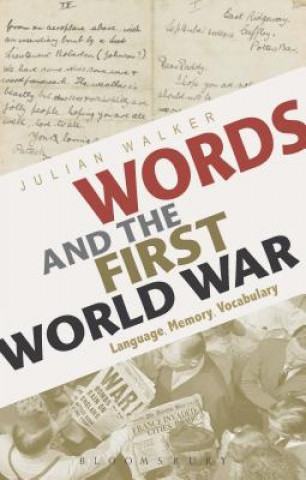
"The experiences could be understood only as being of such extremity that they stood beyond written words; it was not a failure of language, but a view that, for the individual, language, particularly written words, and the enormity of the experience were not matched" WWI expert Julian Walker looks at how the First World War affected the English language and its relationship with other languages during the conflict. The book looks meticulously at a huge range of material in terms of mediation and authenticity, including trench journals, letters, advertising and newspapers. From newspaper headlines to initimate communication, the raw detail of the conflict is spelled in the language of those fighting in it. In doing this the book explores the limitations and potentials of different kinds of verbal communication. It examines:- the expectations of language change and the many incentives for communication- language as used at the Front, and the linguistic experience of soldiering- the Home Front, including how the 'language of the war' was commercially exploited- the relationship between language as used in the combat zones and at the Home Fronts- The idea of the 'indescribability' of the war, the codes and avoidances used instead to convey the experienceWalker also considers questions of ownership and the escalation of language's role as a visible marker of class. These 'languages of the front' became souvenirs after the war: abandoned by soldiers but taken up by academics, memoir writers and commentators, and still leaving a raw, emotional and indelible mark on the words we use even today.


Informacje o książce
Angielski

Podaruj tę książkę jeszcze dziś
To łatwe
1 Dodaj książkę do koszyka i wybierz „dostarczyć jako prezent” 2 W odpowiedzi wyślemy Ci bon 3 Książka dotrze na adres obdarowanegoMogłoby Cię także zainteresować


Cześć! Jestem Libroamiko, Twój doradca książkowy.
Jak mogę Ci pomóc?